
Mumbai’s New Crown Jewel: Navi Mumbai International Airport to Transform Aviation in India
Mumbai’s aviation landscape is poised for a revolution. The Navi Mumbai International Airport (NMIA) — slated for inauguration on October 8, 2025 — is more than just another airport. It’s a bold step toward decongesting the city’s skies, boosting connectivity, and delivering a next-gen traveler experience. Mumbai’s aviation landscape is poised for a revolution. The Navi Mumbai International Airport (NMIA) — slated for inauguration on October 8, 2025 — is more than just another airport. It’s a bold step toward decongesting the city’s skies, boosting connectivity, and delivering a next-gen traveler experience.
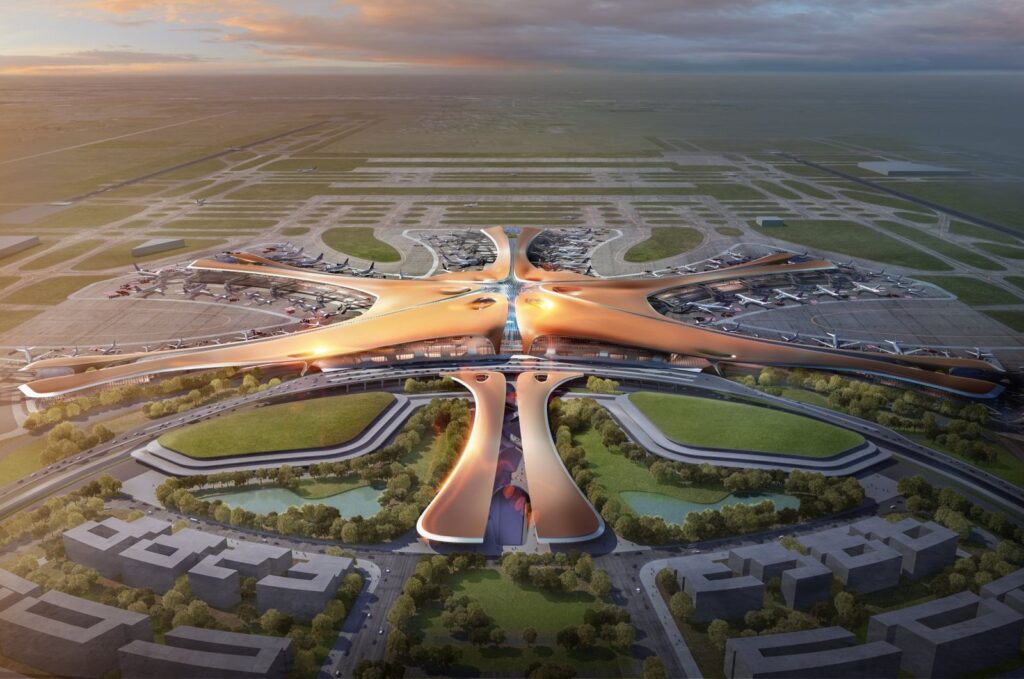
What Makes NMIA Game-Changing
- Phase 1 capacity: 20 million passengers per year — with plans to scale to 90 million in full build-out. www.ndtv.com+2Wikipedia+2
- Two “Code F” parallel runways (3,700 m × 60 m) are part of the design, enabling large widebody international aircraft operations. www.ndtv.com+2Wikipedia+2
- The airport is being developed by Navi Mumbai International Airport Ltd (NMIAL) — a public-private partnership between Adani Airports Holdings Ltd (74%) and CIDCO / Maharashtra Govt (26%). www.ndtv.com+2Wikipedia+2
- It will be India’s first fully digital airport, offering online check-in, baggage drop, and virtual queuing to minimize wait times. Hindustan Times
- One standout feature: seamless immigration for transfer passengers. Travelers arriving from major domestic cities will be able to clear immigration at NMIA before connecting — a convenience previously reserved for global hubs. The Economic Times+1
🔗 Connectivity & Access — Key to Success
NMIA’s utility hinges on how easily people can reach it. Here’s what’s in store:
- Road links: The airport abuts NH 4B, and CIDCO is building the Ulwe Coastal Road (UCR) and Kharghar Coastal Road (KCR) to connect with Mumbai Trans Harbour Link and surrounding nodes. Wikipedia+2The Economic Times+2
- Metro / rail access: The proposed Gold Line (Mumbai Metro Line 8) will run from CSMIA (existing Mumbai airport) to NMIA over ~35 km, facilitating a fast airport-to-airport link. Wikipedia
- Shuttle services: To kick things off, shuttle buses will connect key suburban railway stations (Belapur, Seawoods, Nerul) to NMIA. The Times of India
- Multimodal aim: The goal is to integrate road, metro, rail and possibly metro-water links, making NMIA a truly multimodal transit hub. www.ndtv.com+3Wikipedia+3The Economic Times+3
🏗 Challenges & Watch Points
- The airport’s surroundings still face hurdles: illegal slaughterhouses within 3 km of the runway have raised air safety and bird strike concerns. The Times of India
- Though NMIA has now secured the DGCA aerodrome licence, full commercial operations won’t begin immediately — there’s a 45–60 day timeline for security checks, system testing, and readiness. Hindustan Times+2The Economic Times+2
- Traffic and transit bottlenecks could arise until all connecting roads and metro lines are fully operational.
- The airport is being renamed as Loknete D. B. Patil in honor of local land rights advocacy. The Times of India+1
✈ What It Means for Travelers & India
- Relief for Mumbai’s congestion: The existing Chhatrapati Shivaji Maharaj International Airport (CSMIA) has long been saturated. NMIA will help offload traffic. Wikipedia+1
- Boost for Indian carriers: With seamless transfer and immigration, NMIA will make Indian airlines more competitive in international routing. The Economic Times+1
- Cargo & trade uplift: The airport’s cargo capacity is set to grow, supporting trade and logistics within Maharashtra and beyond. Wikipedia+1
- Economic catalyst: With infrastructure development, the airport will likely spur real estate, hotel, retail, and employment growth in the Navi Mumbai / Panvel region.
- Modern travel experience: From virtual queuing to digital check-in, travelers can expect streamlined, tech-driven airport operations.
📝 Final Thoughts
The Navi Mumbai International Airport is more than an infrastructure project — it’s a strategic pivot for India’s aviation ambitions. Its fusion of digital innovation, seamless immigration, and multimodal connectivity positions it as a next-generation gateway.
As India strives to rival global aviation hubs, NMIA could well become the new face of travel for India — easing congestion in Mumbai, empowering domestic carriers, and placing India firmly on the map of world-class aviation.